
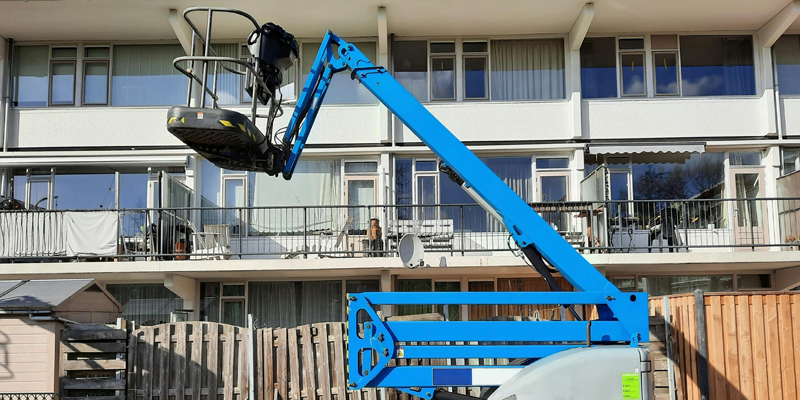
Why postponing necessary works often increases costs, risk, and owner conflict.
INTRODUCTION
In many strata schemes, the most common response to major repairs is delay.
Committees hesitate. Owners ask for more quotes. Motions are deferred to the next meeting. Decisions are postponed in the hope that costs might reduce, finances might improve, or the problem might somehow resolve itself.
While caution and due diligence are important, delaying essential works often carries a hidden cost. In strata schemes, postponement rarely saves money. More often, it increases the risk of building cost escalation and further deterioration of the building and can drive deeper conflict among owners.
Understanding the true cost of delay is critical for strata committees and owners who want to protect their building, their finances, and their long-term property value.
WHY STRATA WORKS ARE OFTEN DELAYED
Delays are rarely caused by neglect. In most cases, they arise from genuine concerns and competing pressures.
Common reasons include:
- Concern about cost and affordability
- Fear of special levies
- Disagreement among owners
- Hope that issues are not yet urgent
- Uncertainty about funding options
- Desire to avoid conflict
- Some owners “who have a mate that can do it cheaper”
These factors can create a cycle where decisions are repeatedly deferred, even when professional reports clearly recommend action.
THE REAL COST OF “WAITING A LITTLE LONGER”
What begins as a short delay often turns into years of inaction. During this time, the underlying issue continues to deteriorate.
Construction Inflation
Labour, materials, and compliance costs rarely move backwards. Delaying work often means paying significantly more later for the same scope of works.
Worsening Damage
Small issues become major failures. Minor water ingress can turn into structural damage. Localised concrete spalling spreads. Deferred maintenance compounds.
Emergency Repairs
Problems left unresolved are more likely to escalate into urgent failures, requiring emergency work at premium cost and with limited planning.
Insurance Exposure
Insurers are increasingly scrutinising building conditions. Deferred maintenance can lead to exclusions, higher premiums, or denied claims.
Impact on Property Values
Buyers and valuers are sensitive to building conditions. Deferred works can affect sale prices, valuations, and lending outcomes.
Legal Liability
Legislation demands that strata committees and owners must keep the property in good repair. Knowing failure to do so can leave committees and owners exposed to legal claim.
WHEN DELAY CREATES MORE CONFLICT, NOT LESS
One of the most underestimated consequences of delay is its impact on owner relationships.
As time passes:
- Frustration builds among owners who want action
- Financial stress increases for those anticipating larger levies
- Trust in the committee erodes
- Meetings become more contentious
Ironically, delaying decisions to “keep the peace” often creates greater conflict down the line.
WHY FUNDING IS OFTEN THE REAL BARRIER
In many schemes, delay is not about disagreement over the works themselves, but about how to pay for them.
Special levies can be confronting. Large upfront contributions can be genuinely difficult for some owners, particularly in diverse communities.
Without alternative funding options on the table, committees may feel trapped between doing nothing and imposing financial hardship.
This is where understanding strata finance becomes critical.
HOW A STRATA LOAN CAN PREVENT COSTLY DELAYS
A strata loan allows strata schemes to:
- Proceed with essential works when recommended
- Spread costs over time
- Reduce the pressure of large one-off levies
Rather than delaying until funds are collected from a special levy, strata loan finance enables timely action.
THE FALSE ECONOMY OF “AVOIDING INTEREST”
A common argument against finance is the desire to avoid paying interest.
However, this view often ignores:
- Construction cost escalation
- Additional scope caused by deterioration
- Emergency call-out premiums
- Increased insurance costs
- Loss of asset value
When these factors are considered, the cost of delay can exceed the cost of borrowing.
WHEN DELAY MAY BE REASONABLE
Not all delays are inappropriate. In some cases, postponement may be justified when:
- Works are genuinely discretionary
- Monitoring is supported by expert advice
- Funding is already scheduled
- Short-term delay does not increase risk
The key distinction is whether delay is strategic or simply the result of inaction.
HOW COMMITTEES CAN BREAK THE DELAY CYCLE
Effective committees take a structured approach:
- Seek professional guidance early
- Communicate openly with owners
- Present clear funding comparisons
- Consider timing, not just cost
- Rely on expert reports rather than “owner opinion”
Framing decisions around risk and long-term outcomes, rather than short-term factors, leads to better results.
THE LONG-TERM VIEW: PROTECTING THE SHARED ASSET
Strata buildings are long-term assets with shared responsibility. Delaying necessary works shifts risk forward, often onto future owners or future committees.
Taking action at the right time:
- Prevents further deterioration of the building
- Avoids building cost inflation, emergency works pricing and insurance premium increases
- Eliminates legal risk of non-action giving rise to claim
FINAL THOUGHTS
Delaying works may feel like the easiest option in the moment, but in strata schemes it is often the most expensive one.
By understanding the true cost of postponement, and exploring all available funding options, strata committees can make fully informed decisions that protect both their building and their community.
Thinking About Funding Works in Your Strata Scheme?
Every building is different. The right funding approach depends on timing, owner mix, and long-term plans.
If your committee is exploring options, you may find it helpful to speak with a specialist who understands strata finance and owner dynamics.
To receive an obligation-free loan proposal for your strata scheme, complete the following form: Request a Loan Proposal