
INTRODUCTION
Questions about selling are among the most common concerns raised when strata finance is discussed.
Owners want to know what happens if they sell. Buyers want clarity on future obligations. When answers are unclear, uncertainty can slow decisions or create unnecessary resistance to otherwise sensible outcomes.
In reality, strata loans are designed to work seamlessly with changes in ownership. Understanding how this works helps remove one of the most persistent barriers to informed decision-making.
WHO IS ACTUALLY RESPONSIBLE FOR A STRATA LOAN?
A strata loan is held by the Owners Corporation (Body Corporate, Strata Company, Strata Corporation), not by individual owners.
This distinction is critical. The loan is attached to the building as a shared asset, rather than to any specific lot owner. Individual owners are responsible only for their levy contributions while they own a unit.
This structure allows ownership to change without disrupting the loan or the scheme’s financial stability.
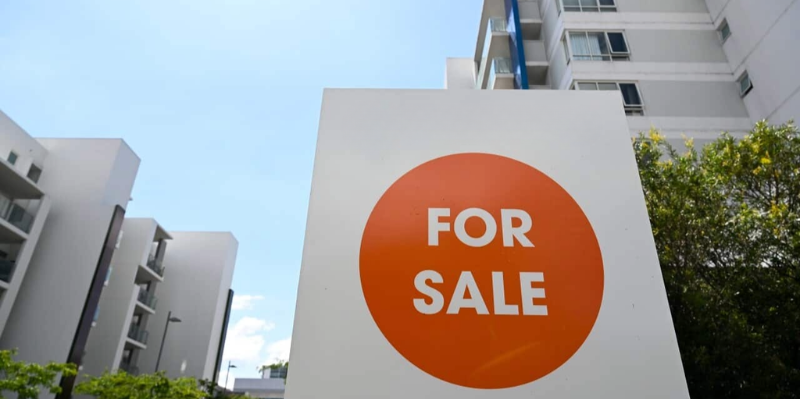
WHAT HAPPENS WHEN A UNIT IS SOLD?
When a unit is sold, the process is straightforward.
The selling owner:
- Is responsible for all levies, including loan levies, up to the date of settlement
- Must clear any outstanding levies at or before settlement
The incoming owner:
- Takes over responsibility for future levies
- Contributes to loan repayments through levies, based on unit entitlement
The loan itself remains with the Owners Corporation. It does not need to be repaid, renegotiated, or transferred as part of the sale.
HOW THIS IS DISCLOSED TO BUYERS
Buyers are typically informed of existing loans through the strata records and disclosure process.
This transparency allows buyers to:
- Understand the levies
- Factor repayments into their budgeting
- Assess building condition and future plans
WHAT HAPPENS WHEN SELLING WITH A FIRSTRATA HYBRID LOAN®?
The Firstrata Hybrid Loan® offers an additional level of flexibility by allowing individual lot owners to choose how they contribute to the funding of works. Owners can pay their share with their own funds as a Self-Funding Owner (SFO) or alternatively pay their share via ongoing loan levies.
What happens when an owner sells their unit when their Owners Corporation has a Firstrata Hybrid Loan?
- For a lot that is owned by an SFO, the incoming purchaser will continue to be charged loan levies but will continue to receive SFO Credits, meaning the purchaser does not have to pay any loan levies
- For a lot that is owned by an owner who is not an SFO, the seller is required to pay all loan levies up until the date of settlement, and the purchaser is required to pay all loan levies that are due after settlement date.
To support a smooth and transparent sale process, Firstrata Finance provides a Loan Disclosure Certificate outlining the relevant loan information for the apartment.
This helps ensure prospective buyers understand the financial commitments associated with the property, including any ongoing loan levy obligations.
For sellers, it provides clarity during the sales process. For buyers, it offers the information needed to make an informed purchasing decision.
DO STRATA LOANS AFFECT PROPERTY VALUE?
Property value is influenced by many factors including not just the location and amenities of the building and the apartment, other factors including building condition, governance, and future risk than by the presence of a loan.
A building with completed capital works, clear funding structures and predictable levies is often viewed more favourably than one with deferred maintenance and looming special levies.
In many cases, finance supports value by enabling timely investment in the asset.
COMMON CONCERNS FROM SELLERS
Some sellers worry that buyers will resist purchasing a unit in a building with a loan.
In practice, many buyers are more cautious of:
- Unfunded capital works
- Large upcoming special levies
- Poorly maintained buildings
Often resulting in a large “uncertainty discount” being applied to the value of the property.
WHY THIS STRUCTURE PROMOTES FAIRNESS
Strata loans spread costs over time so that owners contribute while they benefit from the building.
This avoids situations where:
- Current owners fund decades of future value
- New owners avoid contributing to recent improvements
The transfer of responsibility aligns with shared ownership principles.
FINAL THOUGHTS
Changes in ownership are a normal part of strata living. Strata finance is designed to accommodate this reality without creating complexity or unfairness.
Understanding what happens when units are sold helps committees and owners make funding decisions based on facts rather than fear.
Thinking About Funding Works in Your Strata Scheme?
Every building is different. The right funding approach depends on timing, owner mix, and long-term plans.
If your committee is exploring options, you may find it helpful to speak with a specialist who understands strata finance and owner dynamics.
To receive an obligation-free loan proposal for your strata scheme, complete the following form: Request a Loan Proposal